
Art / Culture / Mythology / Cinema / Books
Select your language

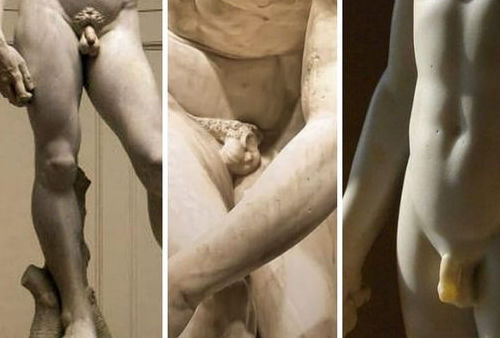
Size matters. This is a deeply rooted belief in modern times and contemporary culture, where physical vigor, overflowing virility, and power are often associated with magnitude. We live in an era of hyperbole, where big automatically translates to better. However, this concept was radically opposite for the ancient Greeks, the very people who laid the foundations of our civilization, our politics, and, of course, our concept of beauty. In classical Greek art, most traits of a great man —a hero, a titan, a god, a warrior— were represented as developed, firm, and harmonious, from their muscular torsos to their serene features. So, why weren't these same aesthetic principles applied to their genitals?
Read more … Size Does NOT Matter: The Fascinating Reason Why Greek Heroes Have Small Genitals
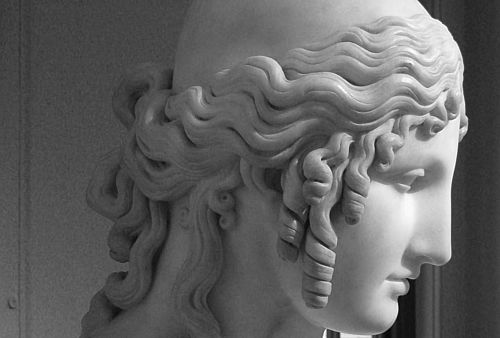
Zeus, the sovereign of Mount Olympus, the one who wields the thunderbolt and rules the sky, was the most powerful god, but also the most prolific. His insatiable appetite for love—whether with goddesses, nymphs, or mortal women—made him the father of a vast progeny. This is not a simple biographical detail; Zeus's offspring is, in essence, the structure upon which all mythology, theater, and art of Western civilization are based. Each of his children, whether Olympian gods or mortal heroes, represents a fundamental facet of human and divine existence.
Read more … The Children of Zeus: The Progeny That Shaped the Universe and Classical Art
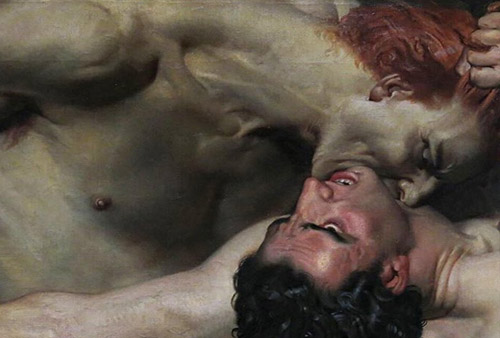
Hades, called Pluto by the Romans, was the god of the Greek underworld, the land of the dead in Greek and Roman mythology. While some modern religions view the underworld as hell and its ruler as the embodiment of evil, the Greeks and Romans saw the underworld as a place of inescapable darkness. Though hidden from daylight and the living, Hades himself was not evil. Instead, he was the guardian of the laws of death, a somber but rigorously just sovereign.
Read more … Dante and Virgil in Hell: From Hades, the Just Sovereign, to Bouguereau's Eighth Circle
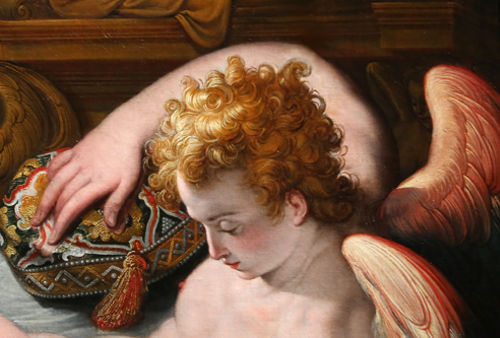
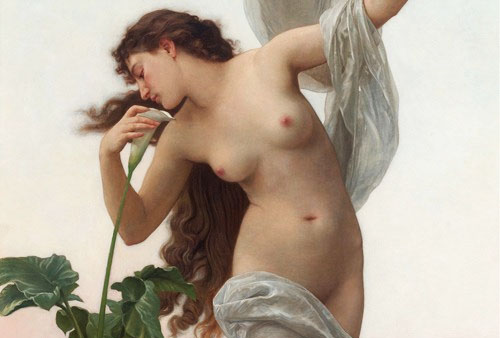
The story of Cupid and Psyche is, perhaps, the most beautiful allegory ever told about the human soul's journey toward immortality. The plot begins with Psyche, a king's daughter, whose beauty was so overwhelming that the people of her kingdom spoke only of her and, in doing so, forgot to follow the cult and adoration of Venus (Aphrodite), the goddess of love and beauty. The goddess, feeling outraged by this rivalry born of mortality, sends her son, Cupid (Eros), the god of desire, to punish the insolent girl.
Read more … Cupid and Psyche: The Soul's Ascent Through Passion and Curiosity
Page 9 of 15
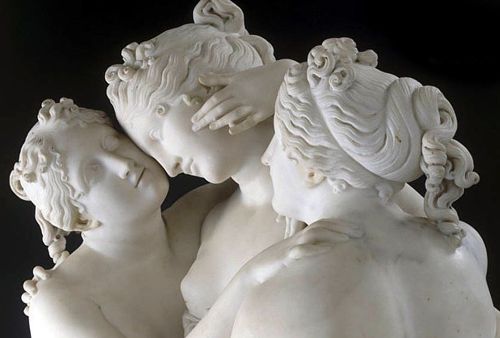
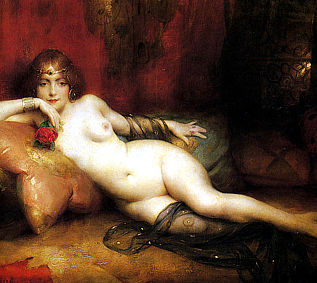
El Harén del árabe harīm, en los países musulmanes, es la parte de una casa reservada para las mujeres de la familia. Aunque en el pensamiento occidental suele asociarse con las prácticas...
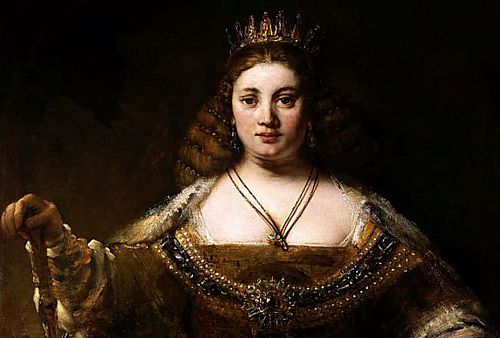
Rembrandt Harmenszoon van Rijn (1606-1669) es considerado uno de los mayores genios de la historia del arte, un maestro del barroco cuya obra sigue siendo profundamente influyente. Su talento...
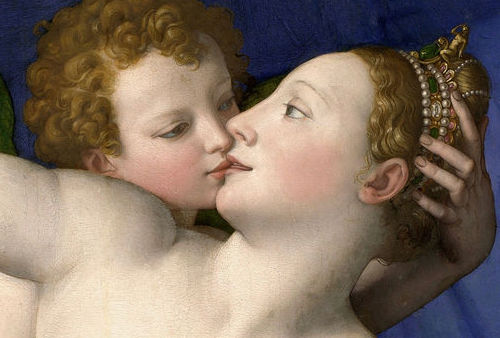
En las sombras de la Roma antigua, donde el honor era una corona de espinas y la virtud un yugo de hierro, nació el "ius osculi", el derecho al beso, una costumbre tan íntima como cruel. No era un...
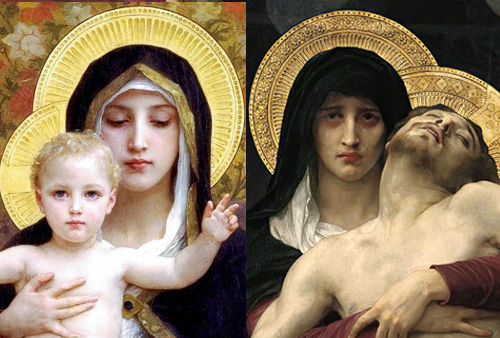
Read more … María y Jesús a través del tiempo, un vínculo...

Read more … La Epopeya de Urania: La Musa que Danza con las...
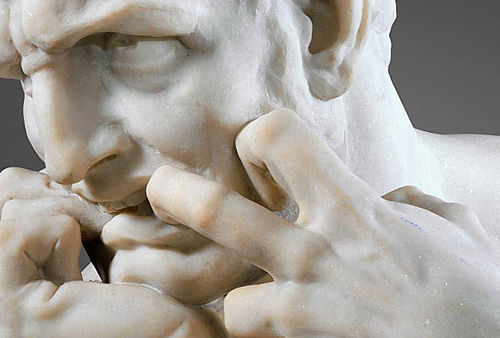
¿Qué ves? Lo que ves es un hombre condenado a morir de hambre junto a sus hijos. Esta escultura muestra el momento que Ugolino considera el canibalismo. Está representado junto con sus cuatro hijos,...
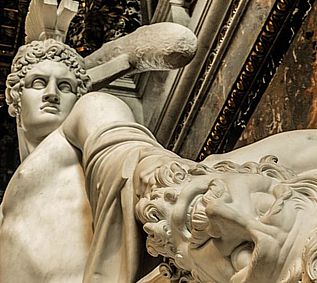
Teseo, el héroe rey de Atenas, tenía reputación de gran fuerza y valentía; pero Pirítoo, el hijo de Ixión, uno de los más famosos héroes de la antigüedad, quiso ponerlo a prueba. Por lo tanto,...
Art Supplies / Oil Paints / Brushes / Watercolors / Canvases & Papers / Prints / Books / Gifts
Estamos ahi, igual que tu !


 Sumérgete en un viaje emocionante donde la creatividad y la belleza artística se fusionan para dar vida a narraciones atemporales que siguen cautivando al mundo moderno. Desentrañamos los secretos ocultos detrás de estas obras icónicas y te llevamos en un recorrido único por la intersección entre mitología y genialidad artística.¡Déjate inspirar por la riqueza cultural que perdura a través de los siglos !