Art / Culture / Mythology / Cinema / Books
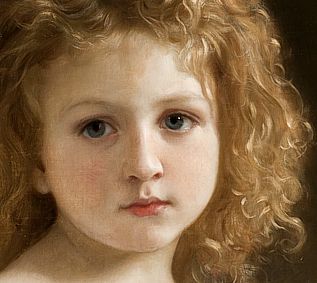
In the heart of the 19th century, an era of artistic revolutions and profound social change, there emerged a painter whose technical mastery and idealized aesthetics elevated him to the summit of academic art: William-Adolphe Bouguereau. At a time when realism challenged classical norms and impressionism emerged with loose brushstrokes and vibrant colors, Bouguereau remained faithful to the principles of academic tradition, refining his art with a meticulousness that seemed to defy the very nature of the canvas.
Among all the disturbing images that Francisco de Goya painted at the end of his life, few are as unsettling as The Witches’ Sabbath. There is no heroism, no classical beauty, and no decorative intention. There is fear, superstition, and an uncomfortable feeling: the sense of looking at something that was never meant to be seen.
Read more … Goya’s Witches’ Sabbath: An Allegory of Power in the Shadows
Before Goya painted horror, horror already existed. It lived in myths, in the stories ancient civilizations used to explain the unexplainable: time, violence, power, and the fear of losing it all. Saturn —Cronos to the Greeks— was not a monster. He was a god. The god of time. And like every god who rules over something that cannot be stopped, he was condemned to paranoia.
Read more … Saturn Devouring His Son: When Myth Stops Being a Myth
La oscuridad no era para Michelangelo Merisi da Caravaggio una simple técnica pictórica; era su refugio, su condena y, finalmente, su propia piel. En el ocaso de su vida, acosado por sus demonios internos y por la justicia de los hombres, el genio del tenebrismo nos entregó una de las piezas más perturbadoras y lúgubres de la historia del arte: David con la cabeza de Goliat. Pero tras la superficie de este lienzo barroco no solo hay pintura, hay una confesión de asesinato bañada en sangre y sombras.
Read more … The Murderer's Head: The Bloody Secret in Caravaggio's Final Self-Portrait
Page 4 of 15
La bañista de Valpinçon o La gran bañista es un cuadro del pintor francés Dominique Ingres, antecedente de El Baño Turco del mismo autor como ya hemos comentado en La Vida es Arte. Ingres cultivó el...
El oráculo vaticinó al padre de Psique: "Tu hija debe vestirse de novia y ser llevada a la cumbre de una alta montaña. Su esposo no será un hombre mortal sino un monstruo venenoso, una criatura lo...
¿Qué ves? Lo que ves es un hombre condenado a morir de hambre junto a sus hijos. Esta escultura muestra el momento que Ugolino considera el canibalismo. Está representado junto con sus cuatro hijos,...
Ayer justamente me acordaba de Medusa y me preguntaba por Perseo. ¿Perseo, Perseo dónde estás que no te veo? Pero lo encontré, ahí estaba en un cajón olvidado, así es que lo rescate y lo traje de...
Son muchos los mitos existentes sobre Cleopatra, la gran reina del Nilo. Pero ya sabemos cómo es la gente, repite cosas, que escuchó con un teléfono descompuesto y le agrega sus propios condimentos para...
Art Supplies / Oil Paints / Brushes / Watercolors / Canvases & Papers / Prints / Books / Gifts