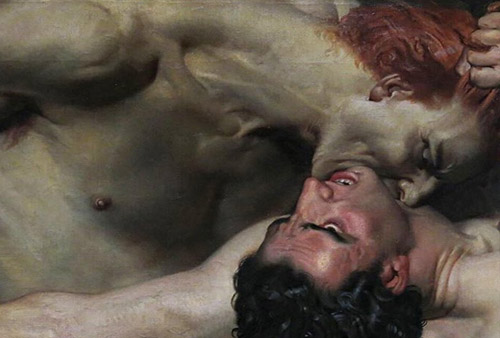
Hades, called Pluto by the Romans, was the god of the Greek underworld, the land of the dead in Greek and Roman mythology. While some modern religions view the underworld as hell and its ruler as the embodiment of evil, the Greeks and Romans saw the underworld as a place of inescapable darkness. Though hidden from daylight and the living, Hades himself was not evil. Instead, he was the guardian of the laws of death, a somber but rigorously just sovereign.
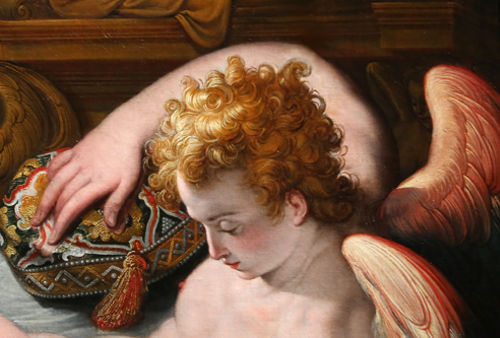
The story of Cupid and Psyche is, perhaps, the most beautiful allegory ever told about the human soul's journey toward immortality. The plot begins with Psyche, a king's daughter, whose beauty was so overwhelming that the people of her kingdom spoke only of her and, in doing so, forgot to follow the cult and adoration of Venus (Aphrodite), the goddess of love and beauty. The goddess, feeling outraged by this rivalry born of mortality, sends her son, Cupid (Eros), the god of desire, to punish the insolent girl.
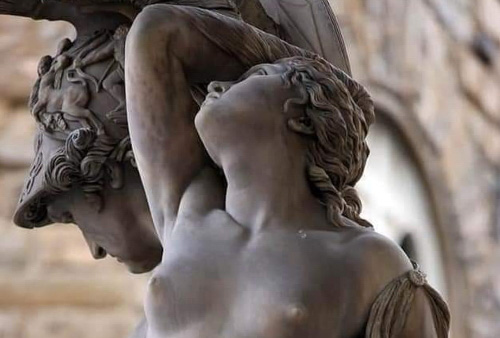
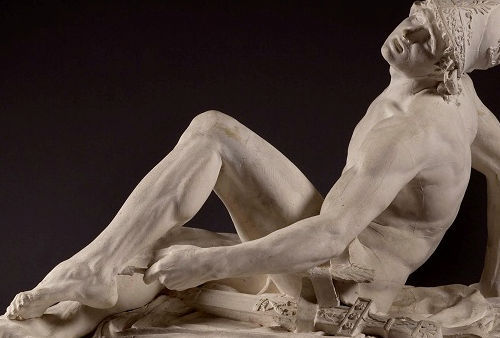
Some time ago, we published the story and work of The Rape of Proserpina by Bernini in La vida es Arte, a marvelous sculpture where unbridled passion was frozen in marble with the fervor of the Baroque. Now, it is the turn of another scene of abduction and sacrifice, that of Polyxena, a much darker story, charged with tragic love, vengeance, and the fatality that marked the bitter end of the Trojan War.
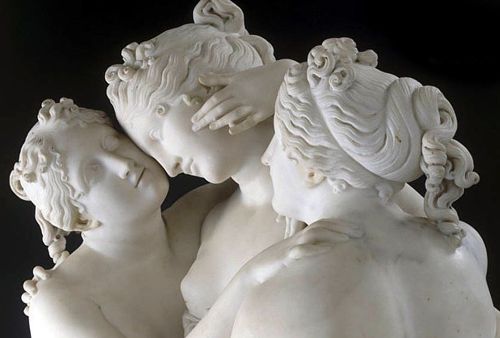
In the firmament of mythology, there exists a constellation of figures whose light lies not in destructive power or martial glory, but in the subtle, yet essential, vibration of amiability and beauty. They are the Three Graces, or Charites in the immortal language of the Greeks, and their legend is not one of conflict, but of perfect harmony. They are the rhythmic pulse of existence that celebrates the gift, the joy, and the radiant manifestation of grace. Their story is, in essence, the poetry of life itself, distilled into three female forms whose embrace has been perpetuated through the centuries.
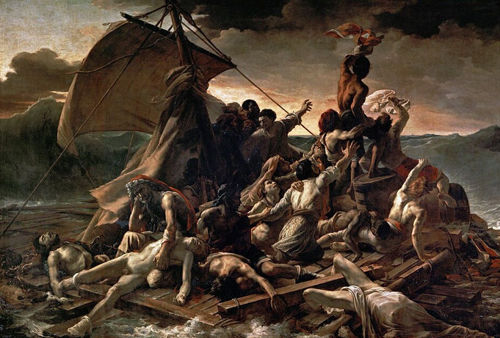
Romanticism, which flourished approximately between the late 18th century and the mid-19th century, was not just an artistic fashion; it was a cultural revolution that encompassed literature, music, and, of course, painting. It was born as a passionate reaction against the cold logic, strict order, and rationality imposed by Neoclassicism. If the Neoclassicists sought perfection in symmetry and the rules of Greco-Roman antiquity, the Romantics sought truth in a much deeper and more turbulent place: sentiment, imagination, and uncontrollable emotion.
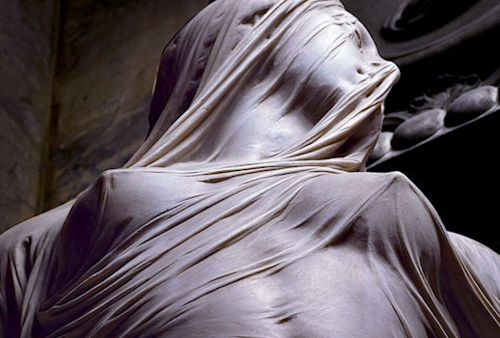
En el corazón de la enigmática Capilla Sansevero de Nápoles, una figura de mármol capta la luz con una fragilidad casi imposible: La Modestia (Pudicizia), también conocida como La Modestia Velada o Castidad Velada. Creada en 1752 por el escultor veneciano Antonio Corradini, esta obra no es solo un testimonio del virtuosismo barroco, sino la pieza central de un profundo y personal drama familiar envuelto en un velo de filosofía oculta.
Soy la Verdad, una entidad tan antigua como el tiempo mismo, cuya esencia ha sido venerada, buscada y temida a lo largo de la historia. Mi existencia está profundamente arraigada en el alma humana, y mi...
En el silencio eterno de las galerías olvidadas se encuentran eternos guardianes, en las criptas donde la piedra y el bronce resguardan la memoria de los muertos, estatuas cuyos ojos vacíos han...
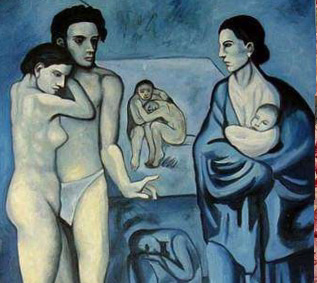
En el año 1900 Picasso tenía sólo 19 años cuando llegó a París. Viviendo en condiciones precarias, pronto se vio abrumado por la miseria y el luto. De este gran sufrimiento nació el Periodo Azul de...
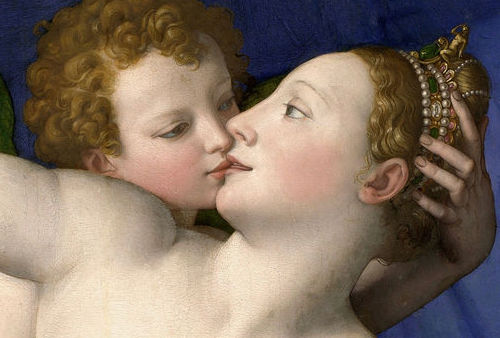
A la luz de un misterioso fulgor, dos figuras emergen de las sombras en un intrincado abrazo. Una mujer de piel pálida y brillante se inclina hacia un joven de rizos dorados, sus labios apenas a...
En las polvorientas llanuras de Tesalia, cuna de héroes y leyendas, la historia de Aquiles se despliega como un relato épico que ha resistido el paso de los siglos. Hijo de Peleo, rey de los...
En un rincón apartado del vasto mundo mitológico, donde los dioses caminaban entre los mortales y las criaturas fantásticas poblaban los sueños, vivía Psique. Su nombre resonaba en los rincones de la...
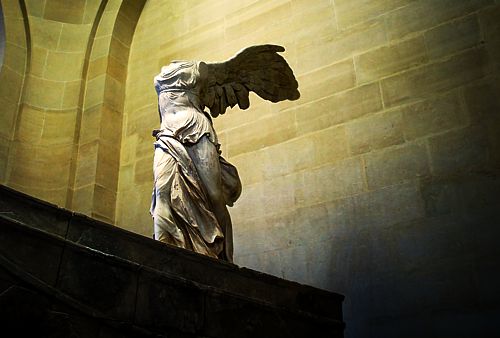
La Victoria Alada de Samotracia, también conocida como la Victoria de Samotracia o Nike de Samotracia, es una escultura antigua que ha perdurado en la historia como una obra maestra de la escultura...
La historia de Paolo y Virginia, escrita por Jacques-Henri Bernardin de Saint-Pierre, es un relato romántico y conmovedor que narra la vida de dos jóvenes que crecen juntos en la isla de Mauricio, en el...
Sumérgete en un viaje emocionante donde la creatividad y la belleza artística se fusionan para dar vida a narraciones atemporales que siguen cautivando al mundo moderno. Desentrañamos los secretos ocultos detrás de estas obras icónicas y te llevamos en un recorrido único por la intersección entre mitología y genialidad artística.¡Déjate inspirar por la riqueza cultural que perdura a través de los siglos !