
Select your language

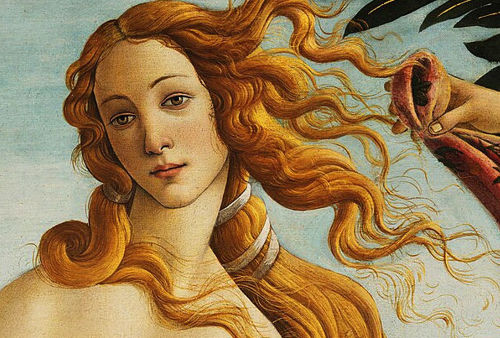
Venus had no mother. She was born of the sea, from the foam that formed when Cronus threw the remains of his father Uranus into the ocean. From that mixture of water, foam, and divinity, Aphrodite emerged — the goddess the Romans would later call Venus. Sandro Botticelli chose to paint exactly that instant: the moment a newborn goddess first sets foot in the world of men.
Read more … The Birth of Venus | The Myth Botticelli Transformed into Beauty
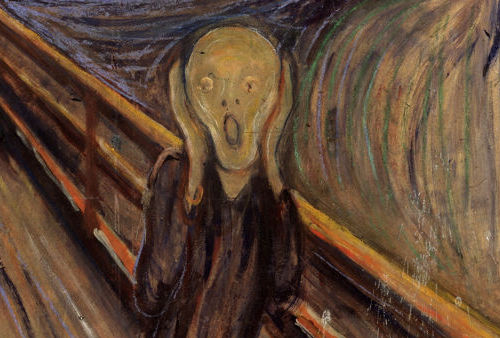
Some images become permanently etched into humanity's collective memory. A sinuous figure on a bridge, a sky burning in shades of blood and fire, two distant silhouettes walking on with indifference, and a central figure clutching its head with wide, hollow eyes. Almost anyone in the world instantly recognizes Edvard Munch's The Scream.

The day was gray and heavy, as if even the sky mourned what was about to happen. Lady Jane Grey, a young woman of barely seventeen who had been proclaimed Queen of England for a brief and turbulent nine days, sat alone in a small stone cell in the Tower of London. Her slender, fragile figure was wrapped in a simple white dress, a symbol of purity that contrasted sharply with the darkness of the walls around her.
Read more … The Execution of Lady Jane Grey: The Queen Who Reigned 9 Days and Died at 17
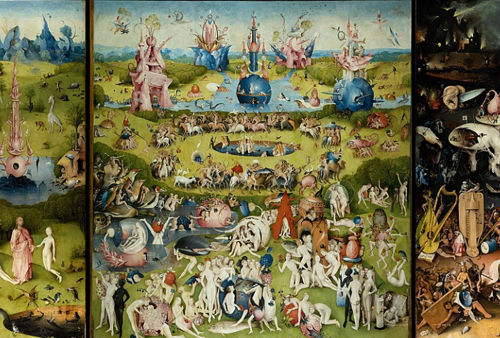
Some paintings are simply looked at. Others are wandered through. And then there's The Garden of Earthly Delights, by Hieronymus Bosch, a work so dense with details, creatures, and symbols that not even five hundred years of study have managed to fully agree on what it actually means.
Read more … The Garden of Earthly Delights: The Triptych Bosch Hid in Three Worlds
Page 7 of 19
Estamos ahi, igual que tu !


 Sumérgete en un viaje emocionante donde la creatividad y la belleza artística se fusionan para dar vida a narraciones atemporales que siguen cautivando al mundo moderno. Desentrañamos los secretos ocultos detrás de estas obras icónicas y te llevamos en un recorrido único por la intersección entre mitología y genialidad artística.¡Déjate inspirar por la riqueza cultural que perdura a través de los siglos !