
Select your language

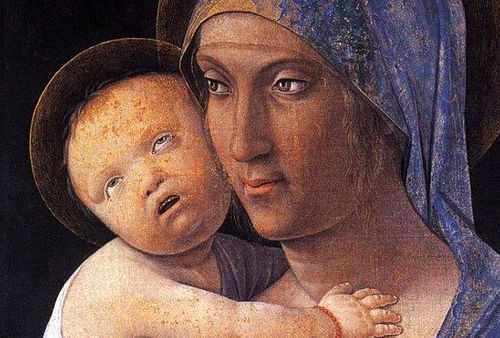
If you've ever walked through a museum and stopped in front of a medieval painting featuring a baby, you probably noticed something unsettling. That baby doesn't have chubby cheeks or an innocent gaze. It has the face of a fifty-year-old man after an exhausting workday: a receding hairline, deep forehead wrinkles, and an expression that seems to say he's tired of life.
Read more … Why Do Medieval Art Babies Look Like 50-Year-Old Men?
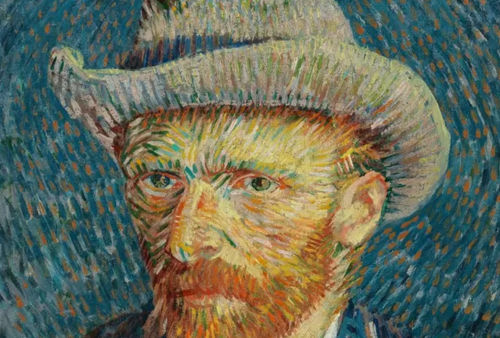
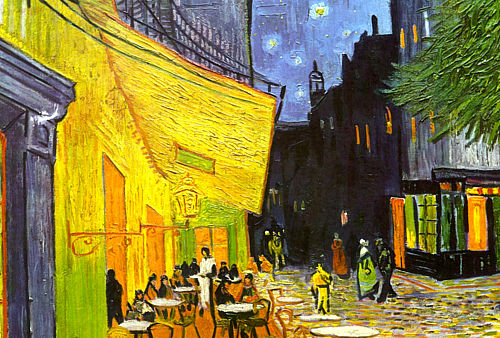
In September 1888, in a square in Arles, a man painted at night. It wasn't a casual gesture: he had forbidden himself from using black. Not a single drop. For him, darkness wasn't the absence of color, but deep blue, violet, green. The result was "Café Terrace at Night," one of Vincent van Gogh's most recognizable paintings.
Read more … The Failed Preacher Who Found God by Painting Stars
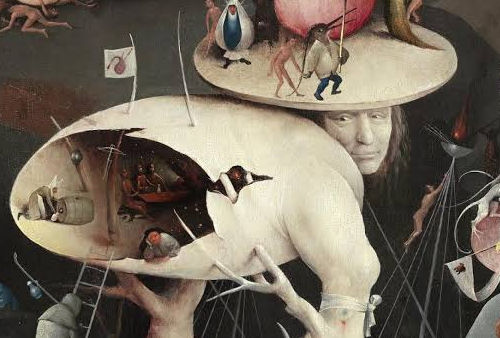
Long before horror films coined the term "gore," painting had already explored that uncomfortable territory where death, violence, and the grotesque coexist. From medieval visions of hell to Romantic nightmares, some of history's most celebrated artists chose not to look away from what most people prefer to avoid: the wounded body, decaying flesh, the exact instant of death.
Read more … Gore Art: When painting dared to look horror in the face.
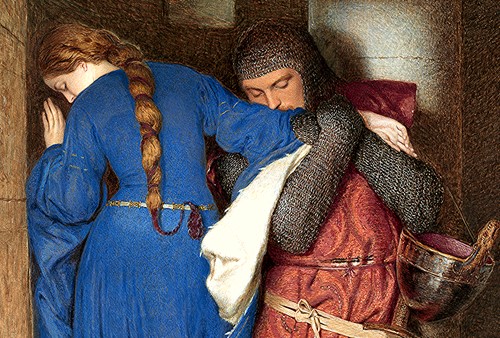
Some paintings explain themselves. Others, the more you look at them, leave more questions open. "The Meeting on the Turret Stairs" belongs to the second kind. At first glance it is a quiet scene: a man and a woman embrace on a stone staircase, her eyes closed, his lips resting on her arm.
Read more … The Meeting on the Turret Stairs: A Ballad of Love
Page 2 of 12
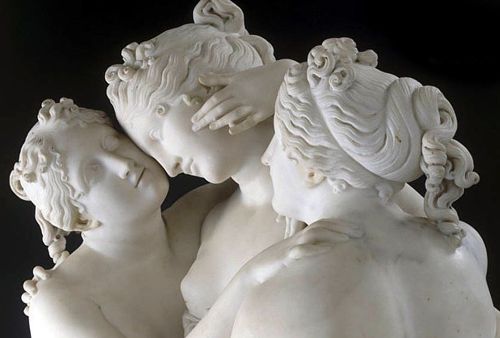
Estamos ahi, igual que tu !


 Sumérgete en un viaje emocionante donde la creatividad y la belleza artística se fusionan para dar vida a narraciones atemporales que siguen cautivando al mundo moderno. Desentrañamos los secretos ocultos detrás de estas obras icónicas y te llevamos en un recorrido único por la intersección entre mitología y genialidad artística.¡Déjate inspirar por la riqueza cultural que perdura a través de los siglos !