
Select your language

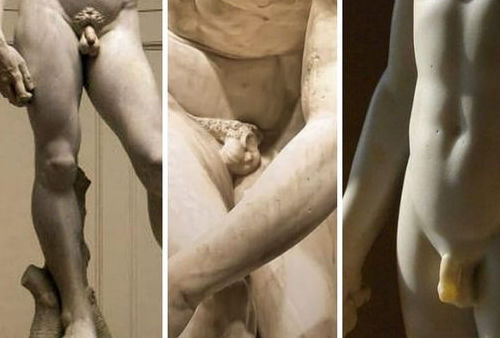
Size matters. This is a deeply rooted belief in modern times and contemporary culture, where physical vigor, overflowing virility, and power are often associated with magnitude. We live in an era of hyperbole, where big automatically translates to better. However, this concept was radically opposite for the ancient Greeks, the very people who laid the foundations of our civilization, our politics, and, of course, our concept of beauty. In classical Greek art, most traits of a great man —a hero, a titan, a god, a warrior— were represented as developed, firm, and harmonious, from their muscular torsos to their serene features. So, why weren't these same aesthetic principles applied to their genitals?
Read more … Size Does NOT Matter: The Fascinating Reason Why Greek Heroes Have Small Genitals
Zeus, the sovereign of Mount Olympus, the one who wields the thunderbolt and rules the sky, was the most powerful god, but also the most prolific. His insatiable appetite for love—whether with goddesses, nymphs, or mortal women—made him the father of a vast progeny. This is not a simple biographical detail; Zeus's offspring is, in essence, the structure upon which all mythology, theater, and art of Western civilization are based. Each of his children, whether Olympian gods or mortal heroes, represents a fundamental facet of human and divine existence.
Read more … The Children of Zeus: The Progeny That Shaped the Universe and Classical Art
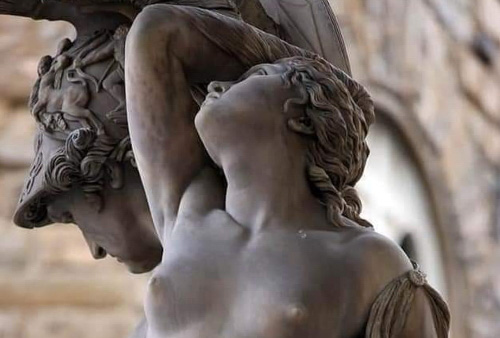
Some time ago, we published the story and work of The Rape of Proserpina by Bernini in La vida es Arte, a marvelous sculpture where unbridled passion was frozen in marble with the fervor of the Baroque. Now, it is the turn of another scene of abduction and sacrifice, that of Polyxena, a much darker story, charged with tragic love, vengeance, and the fatality that marked the bitter end of the Trojan War.
Read more … From Beauty to Sacrifice: The Inescapable Destiny of Polyxena
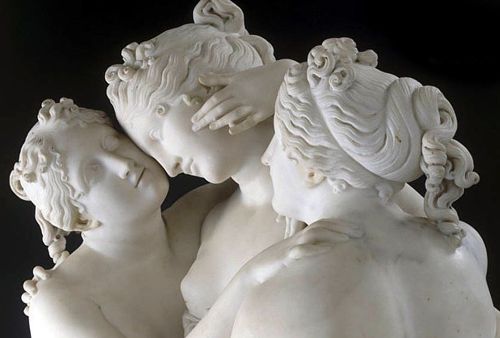
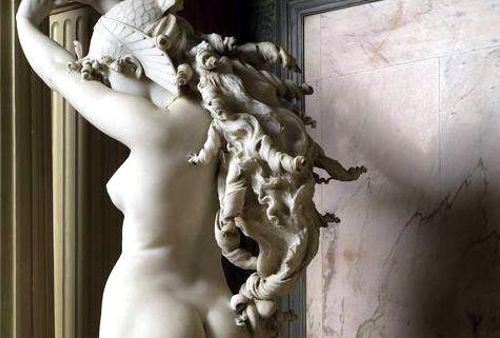
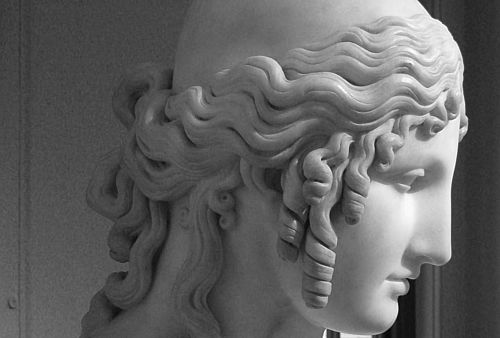
In the firmament of mythology, there exists a constellation of figures whose light lies not in destructive power or martial glory, but in the subtle, yet essential, vibration of amiability and beauty. They are the Three Graces, or Charites in the immortal language of the Greeks, and their legend is not one of conflict, but of perfect harmony. They are the rhythmic pulse of existence that celebrates the gift, the joy, and the radiant manifestation of grace. Their story is, in essence, the poetry of life itself, distilled into three female forms whose embrace has been perpetuated through the centuries.
Read more … Canova's The Graces: The Eternal Dance of Beauty, Joy, and Splendor Captured in Marble
Page 3 of 5
Estamos ahi, igual que tu !


 Sumérgete en un viaje emocionante donde la creatividad y la belleza artística se fusionan para dar vida a narraciones atemporales que siguen cautivando al mundo moderno. Desentrañamos los secretos ocultos detrás de estas obras icónicas y te llevamos en un recorrido único por la intersección entre mitología y genialidad artística.¡Déjate inspirar por la riqueza cultural que perdura a través de los siglos !